Ibrahim Issifu
Research Associate in Interdisciplinary Ocean and Fisheries Economics
View all authors

World Mangrove Day 2026: Africa must stop treating mangroves as isolated forests, and start managing them as the bridge between land and sea

· 5 min read

Ibrahim Issifu
Research Associate in Interdisciplinary Ocean and Fisheries Economics

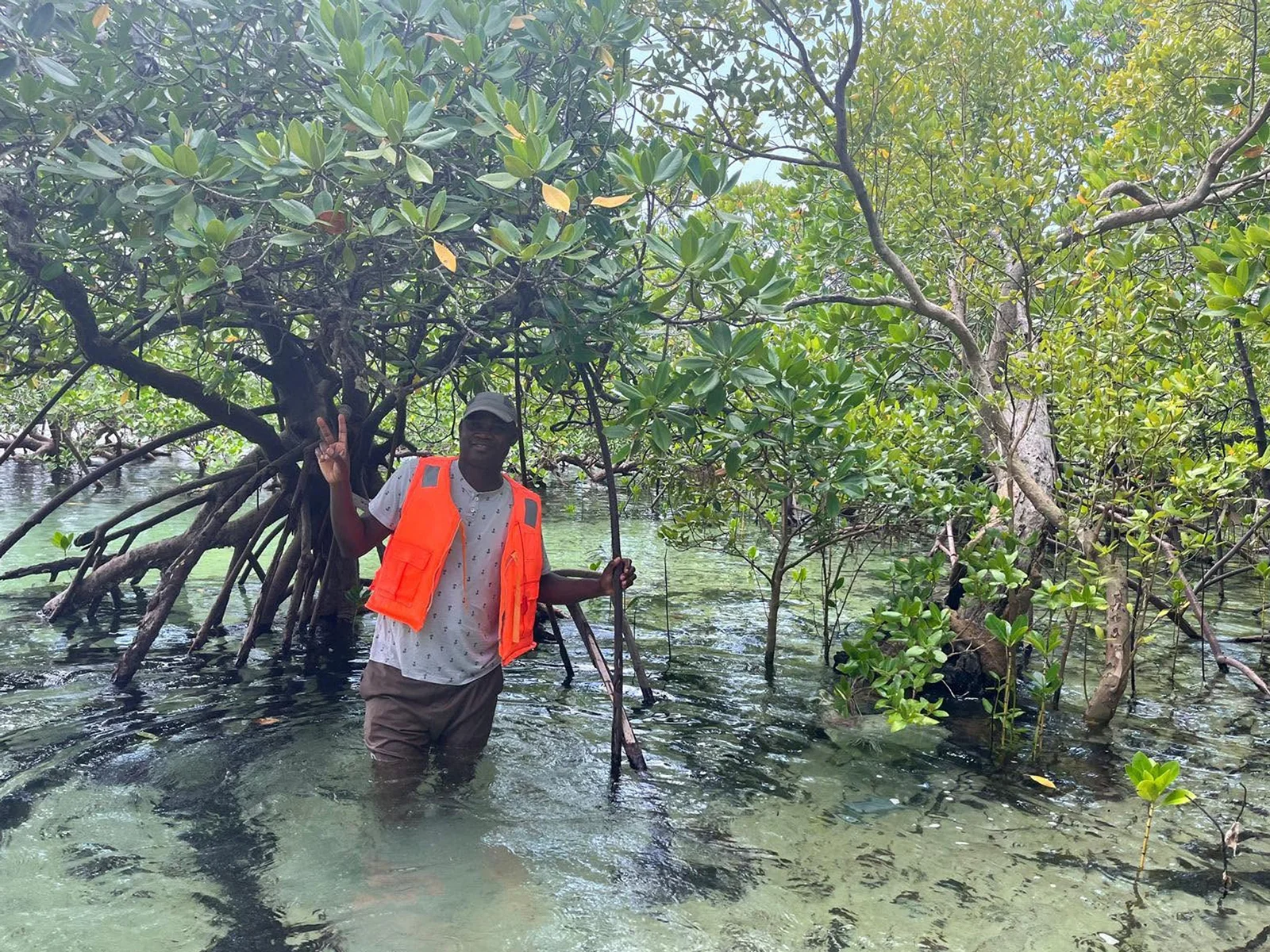
Photo © Ibrahim Issifu.

On 26 July, the world marks the International Day for the Conservation of the Mangrove Ecosystem. The celebration is often accompanied by photographs of tangled roots, restoration campaigns, and discussions about blue carbon. These are important. Yet they risk overlooking a more fundamental truth: mangroves are not simply coastal forests, they are the ecological infrastructure that connects terrestrial and marine systems.
July 26 is World Mangrove Day!

· 6 min read
Ibrahim Issifu
Research Associate in Interdisciplinary Ocean and Fisheries Economics

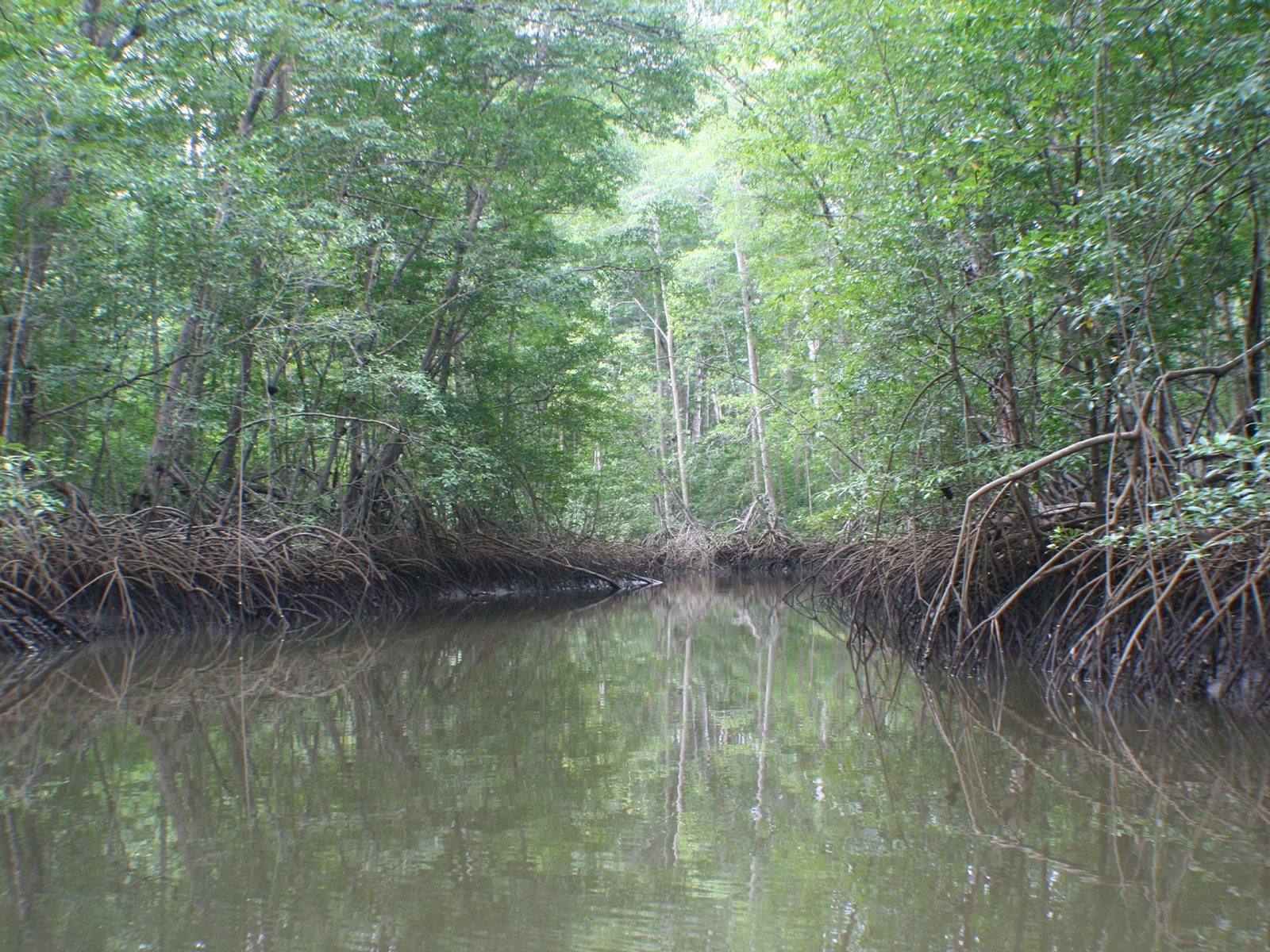
Photo © Terry Sunderland

Every year on 26 July, the world marks the International Day for the Conservation of the Mangrove Ecosystem (World Mangrove Day), a global reminder of the vital role mangroves play in sustaining healthy, resilient coastal systems. Far more than trees growing along tropical shorelines, mangroves are living land–ocean buffers that protect communities from storms and coastal erosion, store significant amounts of blue carbon, support fisheries and biodiversity, and sustain the livelihoods of millions of people.

Is reusable beverage packaging better than single–use plastic?

· 3 min read
Ibrahim Issifu
Research Associate in Interdisciplinary Ocean and Fisheries Economics

Citation

Issifu, I., & Sumaila, U. R. (2025). Is reusable beverage packaging better than single-use plastic?. Sustainable Futures, 10, 101275.

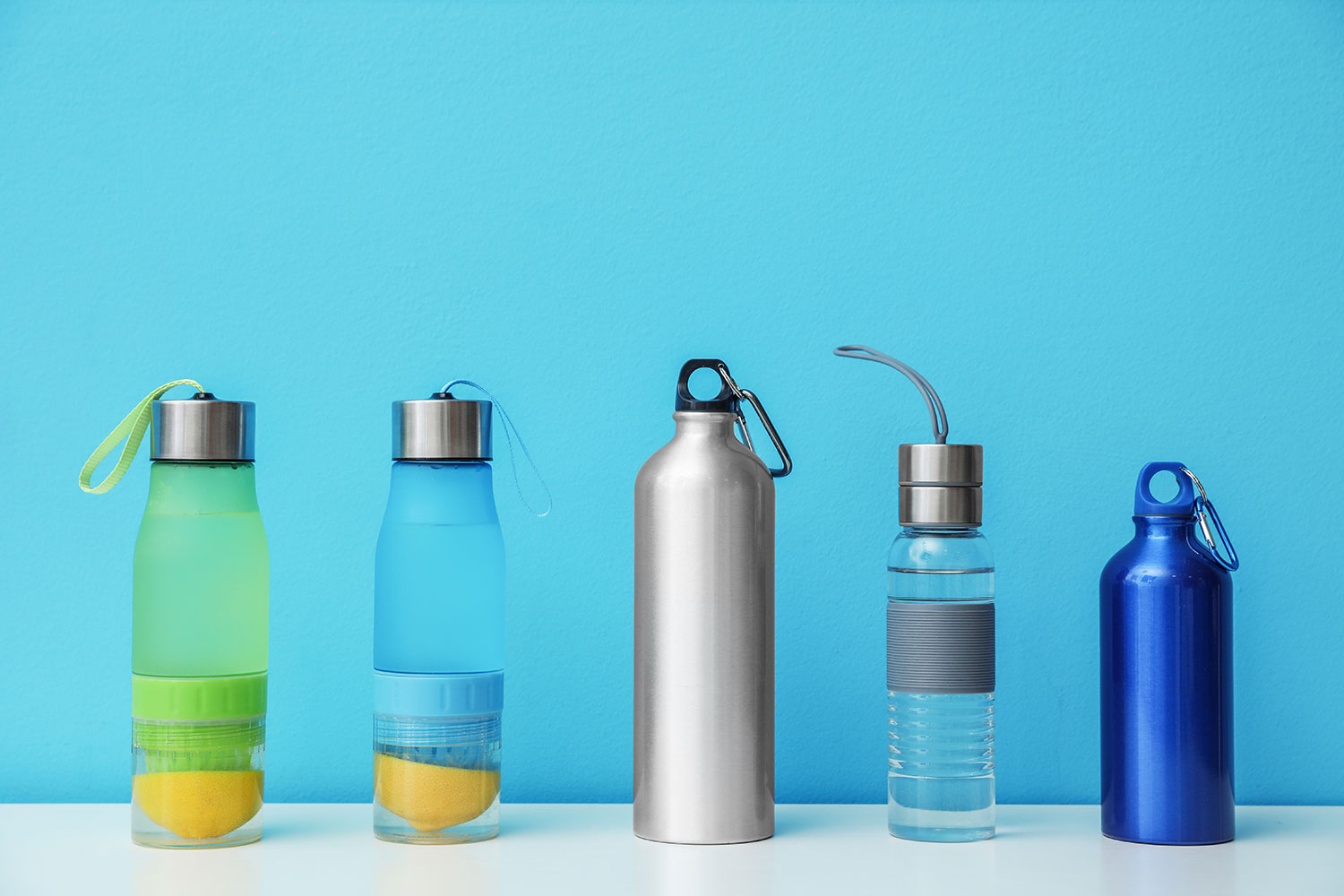
It's a choice many of us face every day: grab the convenient single-use plastic bottle or take a moment to fill up a reusable container? We intuitively feel one is better, but how much better? A comprehensive new study in the journal Sustainable Futures provides a definitive answer, and the results are crystal clear.

Researchers Ibrahim Issifu and U. Rashid Sumaila conducted a detailed "Life Cycle Assessment" (LCA) to compare the environmental and economic impacts of seven different types of beverage containers. This "cradle-to-grave" analysis examined everything from raw material extraction and manufacturing to transportation, use, and final disposal.