Study Highlights Policy and Governance Challenges in African Mangrove Conservation
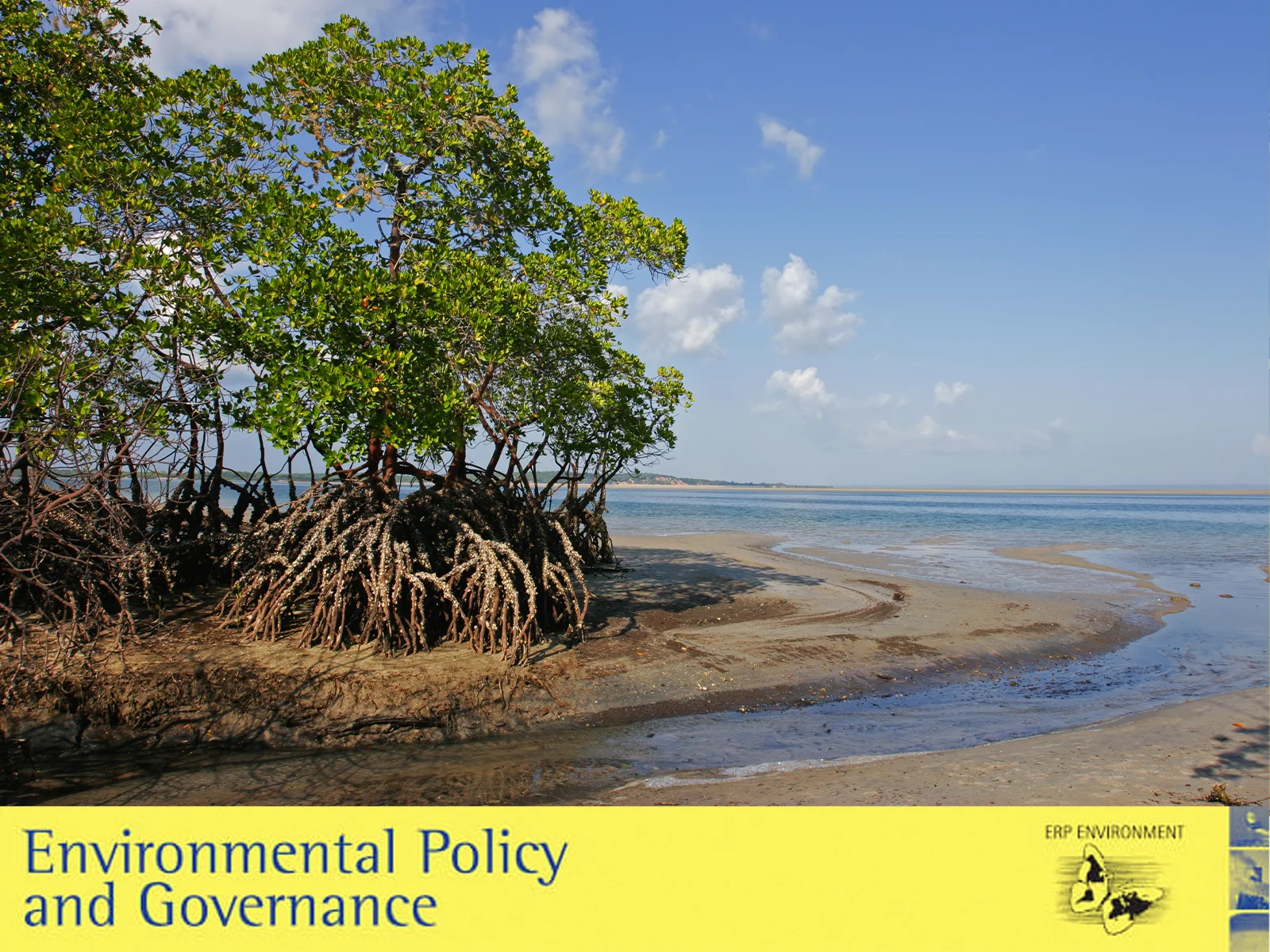
Falayi, M., D. K. Lukhabi, L. Bana, et al. 2026. “Nested Institutions and Overlapping Mandates: A Policy Analysis of Mangrove Governance in Ghana, Tanzania Mainland, and Zanzibar.” Environmental Policy and Governance 1–15. https://doi.org/10.1002/eet.70092.
A recent study published by many team members from the CoastMan project, including Falayi Menelisi, Dorothy Lukhabi, Linda Bana, Denis W. Aheto, Nandera Lolila, Hamidu Seki, Deo Shirima, Ibrahim Issifu, and Terry Sunderland, in Environmental Policy and Governance explores how overlapping local, national, and international policies affect mangrove conservation in Ghana, Tanzania Mainland, and Zanzibar. The research suggests that fragmented institutional mandates, conflicting sectoral policies, and unclear land rights complicate efforts to protect these important coastal ecosystems.
The Complexity of Coastal Governance
Mangroves act as a bridge between terrestrial and marine environments, providing essential resources for coastal communities-such as fuelwood and fishing grounds-while also offering global climate mitigation benefits. Despite their ecological value, mangrove forests across Africa have experienced continued declines due to factors like wood harvesting, agricultural expansion, and urban sprawl.
To understand the institutional challenges behind this trend, researchers analyzed legal instruments and policy documents to see how international agreements, national laws, and local practices interact. They used a framework called "nested governance" to examine how authority is distributed across different scales of management.
Because mangroves occupy the space between land and sea, they frequently fall under the jurisdiction of multiple government departments, including forestry, fisheries, and environmental protection. The study found that this overlap often leads to fragmented management rather than a cohesive conservation strategy.
Regional Findings
The researchers looked closely at three distinct regions, finding that each utilizes a "hybrid" governance model that attempts to blend state laws with community participation. However, the outcomes and specific challenges vary:
- Ghana: Governance incorporates customary systems led by chiefs and family heads alongside state regulations. While frameworks like Community Resource Management Areas (CREMAs) exist to include local voices, mangrove management is divided among the Forestry Commission, Fisheries Commission, and other agencies. The study notes that this multi-agency approach can make enforcement difficult.
- Tanzania Mainland: Mangrove management is largely state-led, categorized under national forest reserves. Although policies like Joint Forest Management (JFM) are intended to involve local communities, the primary decision-making authority remains centralized with the Tanzania Forest Service. The researchers also identified conflicting governmental mandates, such as overlaps between forestry conservation goals and mining policies related to salt farming.
- Zanzibar: Governance at the community level is heavily channeled through Community Forest Management Areas (CoFMAs). However, the study highlights that these initiatives are often driven by international donor funding. Once short-term project funding ends, many local management committees struggle to remain active, pointing to a need for more sustainable financial models.
Pathways for Improvement
The authors conclude that while community participation frameworks exist formally in all three regions, decision-making power remains unevenly distributed in practice. Historical legacies and state control often limit the ability of local communities to effectively co-manage these resources.
To address these challenges, the researchers recommend moving toward integrated "land-seascape" approaches that better coordinate policies across forestry, fisheries, and coastal management. They also suggest that securing the future of mangrove ecosystems will require stronger legal recognition of local and customary institutions, alongside a shift from short-term donor funding to durable, long-term financing mechanisms.
Paper
- Nested Institutions and Overlapping Mandates: A Policy Analysis of Mangrove Governance in Ghana, Tanzania Mainland, and Zanzibar at https://onlinelibrary.wiley.com/doi/10.1002/eet.70092